
Who Decides How Much I’m Taxed and What Gets Funded?

At the federal level, United States Congress decides how much you’re taxed and what gets funded.
Congress creates and controls the Internal Revenue Code (IRC), which is basically the rulebook for federal taxes. This is where tax rates come from—like the 10%, 22%, or 37% brackets—and where Congress decides what types of income are taxable.
Congress also decides what lowers your tax bill. Things like the standard deduction, the Child Tax Credit, and other credits or deductions are all written into law by Congress. These are policy choices, not automatic math.
A big misconception here: the Internal Revenue Service does not decide tax rates.
The IRS doesn’t make the rules—it enforces them.
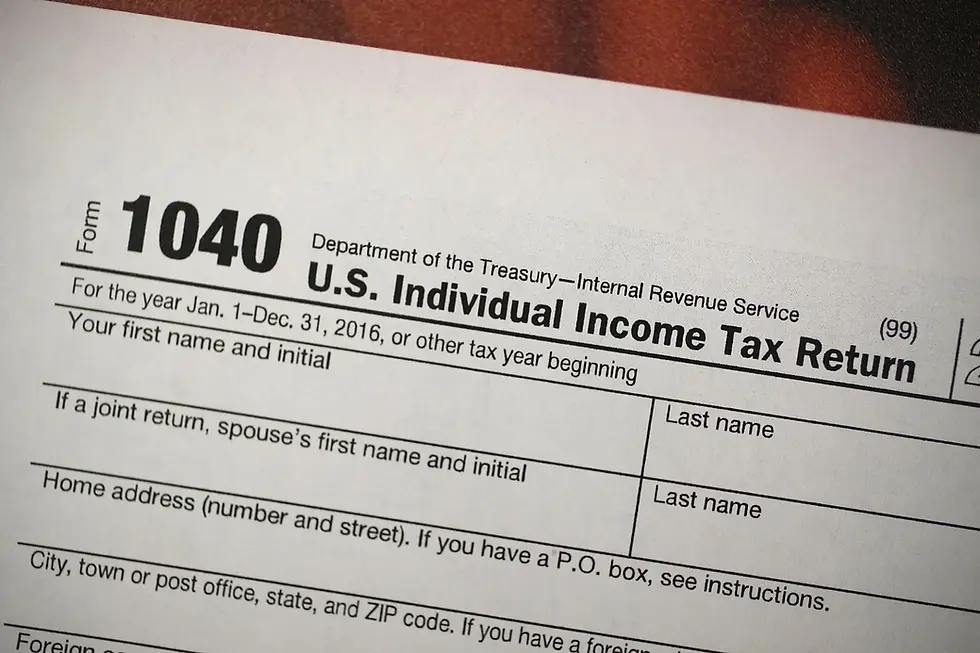
Its job is to take Congress’s laws and turn them into instructions regular people can actually follow. That’s why the IRS creates forms like the Form 1040 or W-4, along with worksheets and guidance that tell you how to calculate your taxable income and how much you owe.
Congress can—and often does—change tax laws through tax reform bills. These reforms can affect how much individuals and businesses pay, what activities are encouraged, and how much revenue the government collects. While Congress writes and passes these bills, the sitting president has influence over what ultimately makes it into law through negotiations, priorities, and whether they sign or veto the final bill.
This leads to the next big piece: spending.
Congress holds what’s often called the “power of the purse.” The people we elect to office are responsible for working together—across the entire Congress—to create a federal budget.
That budget determines where, who, how, and how much funding goes to public programs and services.
This includes big-ticket items like:
Social Security
Medicare
National defense
Infrastructure
But it also covers things people don’t always think about, like:
Education programs
Scientific research through agencies like the National Institutes of Health (NIH)
Healthcare subsidies
Public institutions like the Smithsonian Institution
Support for small businesses through the Small Business Administration (SBA), which provides taxpayer-backed loans and counseling
And sometimes, funding ends up in places that make you do a double take.
For example, I recently came across budget line items that funded things like mango-drying facilities and pineapple juice promotion in West Africa. Whether you agree with that spending or not, it’s a good reminder that federal budgets can include very specific projects—and they’re all the result of congressional decisions.
So when you’re frustrated about taxes—or government spending—write to your congressional representative. Accountability starts there.
If you found value in this article, please like, share, and leave your thoughts below.

Comments