
Why Does the U.S. Tax My Income?


After the Revolutionary War was won and the colonies gained independence from Britain, the United States was officially formed. But independence came with a big question: how would this new government pay for itself?
On February 21, 1787, Congress was granted the power to raise revenue under Article I, Section 8, Clause 1 of the Constitution. This clause gave Congress the authority to collect taxes and spend money to carry out its responsibilities—things like national defense and promoting the general welfare.
In the early years, the federal government didn’t rely on income taxes. Instead, it was funded through tariffs, excise taxes, customs duties, and public land sales. And honestly, that worked—because the government was relatively small. It didn’t take nearly as much money to run the country back then as it does today.
That changed during the Civil War.
To pay for the massive costs of the war, President Abraham Lincoln established the first federal income tax. This tax was meant to be temporary, and once the war ended, it was eventually repealed.
But the idea of an income tax didn’t disappear.
In 1913, the 16th Amendment was passed, officially establishing a permanent federal income tax. This was a major shift. Before 1913, not everyone paid federal taxes. After the amendment, income itself became taxable, and a much broader portion of the population was now required to contribute.
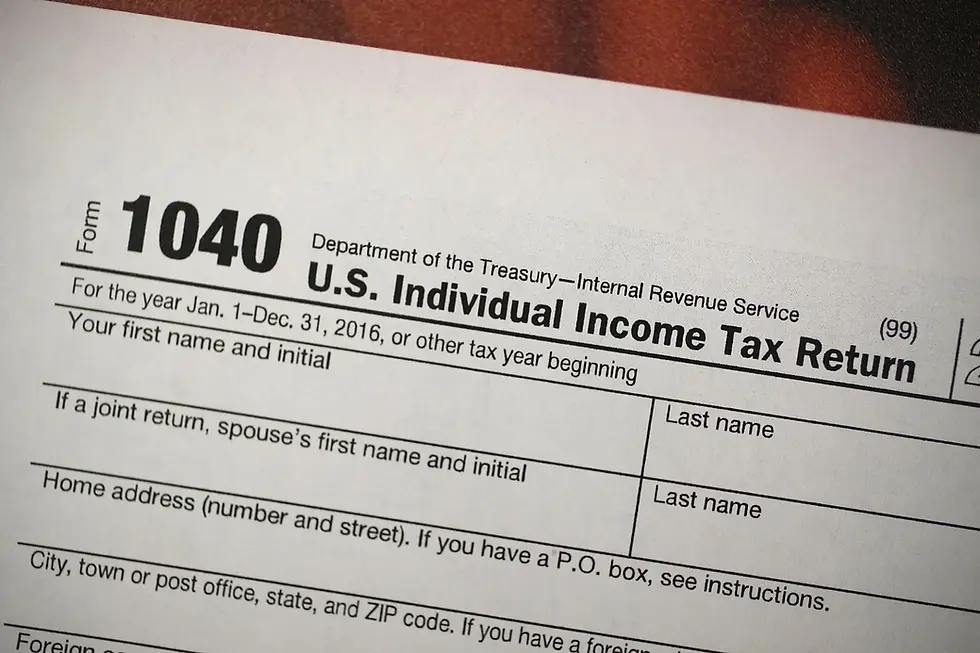
Because millions of people were suddenly expected to report income and calculate what they owed, the government needed a standardized system. That’s when the Form 1040 was created—along with instructions—to help taxpayers report income and determine their tax liability.
So when you’re filing your taxes today, you’re participating in a system that evolved out of war, expansion, and a growing federal government.
I hope you were able to find value in this blog post. I’d love to hear what you think—feel free to comment below.

Nice post! 👍